
Too much heat from sunlight can make rooms uncomfortable, especially during warmer months or in properties with large glazed areas. South-facing windows, conservatories and open-plan spaces are often most affected.
For installers and trade customers, reducing solar heat gain is not only about comfort. It is about helping homeowners choose the right sealed unit specification for the space. The right glass can help limit overheating while still allowing natural light into the home.
This guide explains which types of glass help reduce heat from sunlight, how solar control glazing works and what to consider when specifying sealed units for different projects.
Sunlight carries solar energy through glazing into the home.
Once heat enters the room, it can become trapped inside, especially in spaces with large windows or limited ventilation. This is known as solar heat gain.
Standard glazing may allow high levels of solar energy to pass through the glass. In warmer conditions, this can lead to rooms overheating and becoming uncomfortable during the day.
The issue is often more noticeable in:
This is where solar control glass can help.
Solar control glass is designed to reduce the amount of solar heat that passes through the glazing.
It uses specialist coatings that help limit solar energy entering the building while still allowing natural light through the glass. This helps reduce overheating and improve comfort inside the property.
The aim is not to block sunlight completely. Instead, solar control glazing helps manage heat gain more effectively while maintaining good light levels and visibility.
For installers, this gives a practical solution for projects where overheating may become an issue during warmer periods.
Solar control glass uses a coating that reflects and filters part of the sun’s energy before it enters the room.
This helps reduce the amount of heat transmitted through the glazing compared with standard glass. The exact performance depends on the glass specification and the wider sealed unit construction.
Solar control performance is usually measured using g-values. A lower g-value means less solar energy passes through the glazing.
However, solar control needs balancing carefully. Reducing too much solar gain can affect natural warmth during colder months, so the right specification depends on the property and glazing position.
Several types of glass can help reduce solar heat gain, depending on the project requirements.
Solar control coated glass is one of the most effective options for reducing overheating.
The coating helps reflect part of the sun’s energy away from the property while maintaining good levels of visible light transmission. This makes it a common choice for large glazed areas and sun-exposed elevations.
It is often used in:
Tinted glass can also help reduce solar gain.
The tint absorbs part of the solar energy entering through the glazing, helping reduce glare and overheating. Different tint levels offer different performance characteristics.
However, darker tints may reduce visible light levels more noticeably than coated solar control glass.
Some advanced glazing products combine thermal efficiency with solar control performance.
This allows the sealed unit to help reduce heat loss during colder weather while also limiting excessive solar gain in warmer conditions.
For many residential projects, this balanced approach can provide a more practical long-term solution.
Glass performance is not determined by the pane alone.
The overall sealed unit specification affects how well the glazing performs in real conditions. Factors such as cavity size, gas filling, spacer bars and manufacturing quality all contribute to the final result.
For example, combining solar control glass with argon gas and warm edge spacer technology can help create a more balanced unit that supports both comfort and thermal efficiency.
This is why specification should always be considered as a complete system rather than focusing on one individual feature.
Standard double glazing can help improve insulation, but it may not always provide enough protection against solar heat gain.
In properties with significant sun exposure, standard glazing can still allow large amounts of solar energy into the home.
Solar control glazing is specifically designed to reduce this issue. It helps manage overheating more effectively while still supporting natural light levels and visibility.
The difference is often most noticeable in rooms with extensive glazing or direct sunlight throughout the day.
Solar control glazing is particularly useful in areas where overheating is more likely.
This includes:
In these applications, the right glazing specification can help create a more comfortable internal environment throughout the year.
Yes, some solar control glass products can also help reduce glare.
This can improve comfort in rooms with strong direct sunlight, especially in spaces used for working, relaxing or watching screens during the day.
The level of glare reduction depends on the specification, coating and visible light transmission of the chosen glass.
Not necessarily.
Modern solar control glass is designed to reduce solar heat gain while still allowing high levels of natural light into the property. Some products achieve this balance more effectively than older tinted glazing options.
The goal is usually to reduce overheating without making the room feel noticeably darker.
This is why glass selection should consider both solar performance and light transmission together.
The right glass depends on the project itself.
When specifying glazing to reduce heat from sunlight, consider:
This helps ensure the glazing is suited to the property rather than selected on a single performance figure alone.
Glasscraft manufactures sealed units for trade customers, including glazing options designed to support solar control and thermal performance.
For installers and smaller trade customers, the benefit is having access to sealed unit specifications that can be matched to the project requirements. Whether the aim is reducing overheating, improving comfort or balancing solar control with energy efficiency, the right solution starts with the full unit specification.
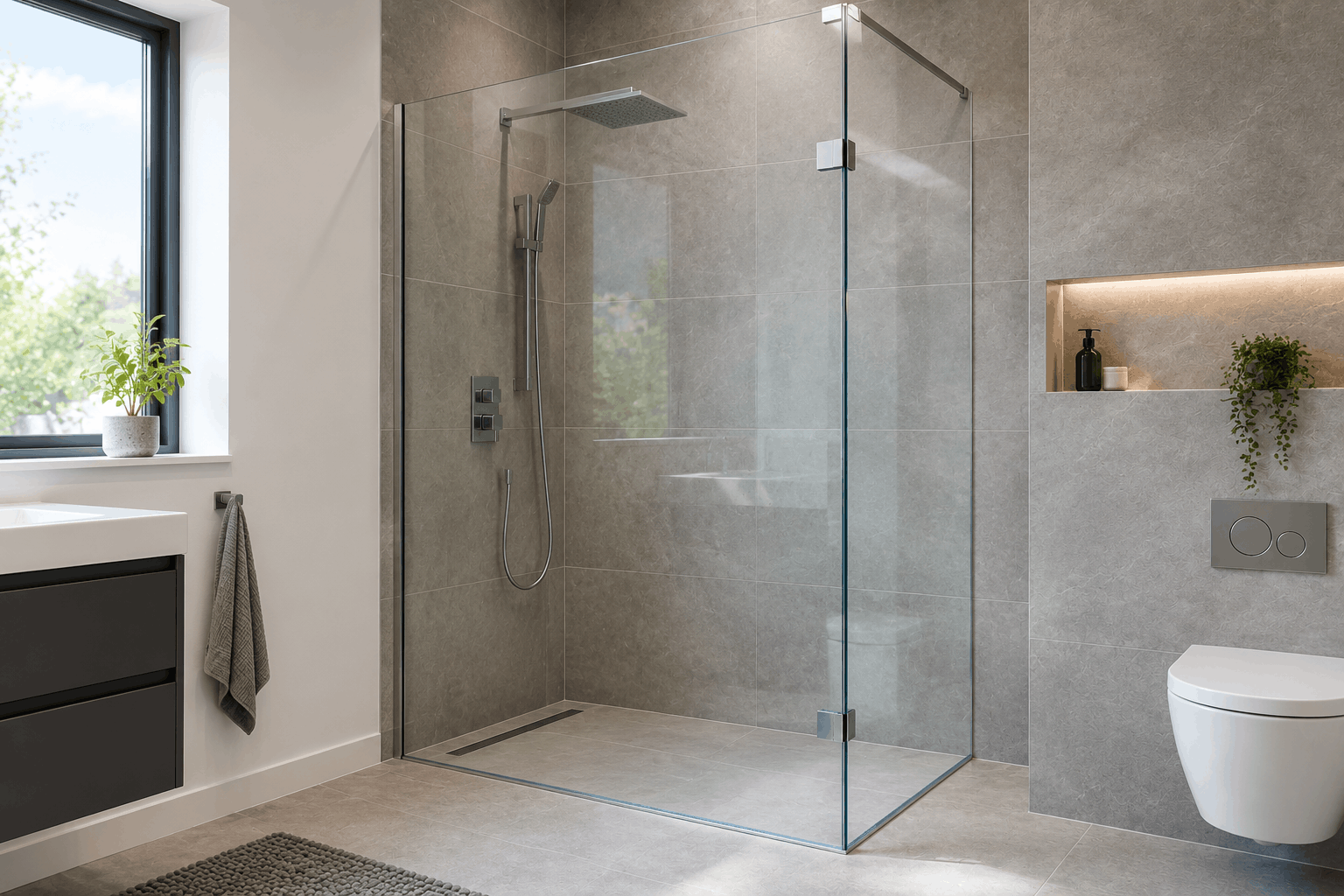
Choosing the right glass thickness is an important part of specifying a shower screen. The glass needs to be suitable for its dimensions, design, support and fixing system while also providing the appropriate safety performance. For installers and trade customers, this means there is no single thickness that should automatically be used for every shower […]
Glass plays an important role in modern commercial buildings, helping create bright entrances, offices and customer-facing spaces. Where additional protection is required, however, the glazing specification also needs to consider security. Security glass is designed to provide greater resistance and protection than standard glazing. The appropriate solution depends on the building, location of the glass […]

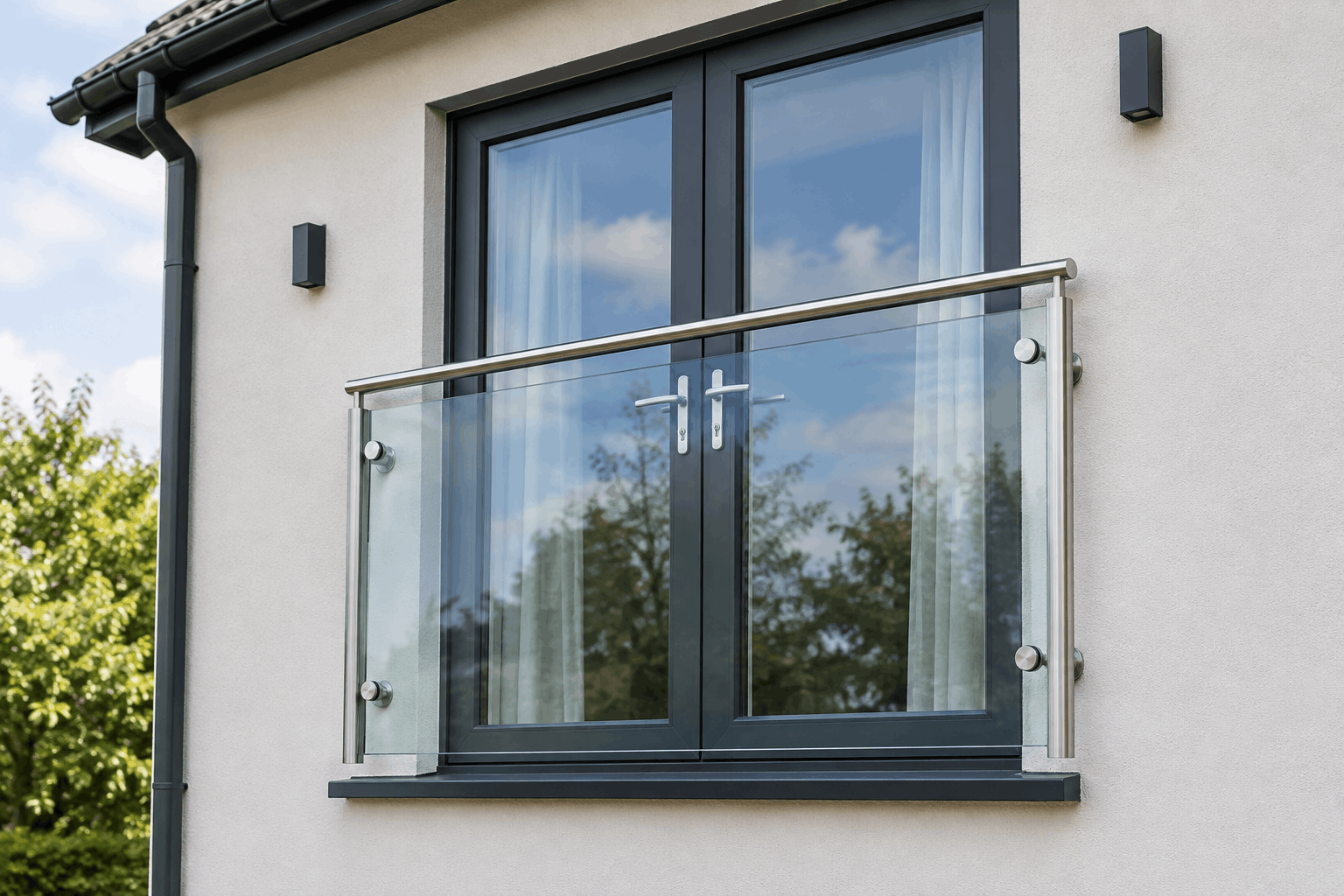
Juliet balconies provide a protective barrier across full-height windows, French doors and other openings at upper-floor level, allowing homeowners to open the doors while maintaining protection from falling. For installers and trade customers, the glass used for a Juliet balcony needs to do more than provide a clear, modern appearance. The glazing forms part of […]
Glass canopies can provide shelter above entrances, walkways and other external areas while maintaining a clean, open appearance. Because canopy glazing is installed overhead, choosing the correct glass is particularly important. Safety, strength, glass retention and the way the canopy is supported all need to be considered as part of the specification. For installers and […]

Front doors often need to balance two competing requirements. Homeowners want natural light to enter the property, but they may not want clear glass providing an unrestricted view into the home. Decorative glass can provide a practical solution by adding privacy and visual interest while still allowing light through the glazing. For installers and trade […]


 Order Tracker


 Customer
Login
Customer
Login