Glass balustrades are widely used in both residential and commercial projects because they provide safety without blocking light or visibility.
For installers and trade customers, one of the most common questions is glass thickness. The correct specification is important not only for appearance, but also for structural performance, safety and compliance.
The required thickness depends on several factors, including the type of balustrade, fixing system, panel size and installation location. This guide explains how glass thickness is determined and what to consider when specifying glass balustrades.
Glass balustrades act as a protective barrier, so the glass must be strong enough to withstand impact, pressure and regular use.
Thickness affects:
Using glass that is too thin may affect performance and compliance. Using thicker glass than necessary can increase weight, handling requirements and overall project cost.
The correct specification depends on achieving the right balance for the installation.
Most balustrades use toughened laminated glass.
This combines multiple panes of glass with an interlayer bonded between them. If breakage occurs, the interlayer helps hold the glass together rather than allowing it to fall apart.
Toughened laminated glass is widely used because it provides both strength and post-breakage safety performance.
In many balustrade applications, laminated construction is a requirement rather than simply an upgrade option.
Several glass thicknesses are commonly used in balustrade systems.
These often include:
The final specification depends on the design and loading requirements of the system.
Glass thickness is usually expressed as the combined thickness of the laminated build-up. For example, 17.5mm laminated glass typically consists of two toughened glass panes bonded with an interlayer.
There is no single thickness suitable for every balustrade project.
Several factors influence the final specification.
Internal balustrades may have different loading requirements compared with external installations.
External systems exposed to wind loading often require stronger specifications, especially on balconies, terraces and elevated areas.
Larger glass panels may require increased thickness to help control deflection and maintain structural performance.
As panel width and height increase, glass loading and movement can also increase.
The balustrade system itself affects the glass specification.
Common fixing methods include:
Some frameless systems may require thicker glass because the glass itself provides more of the structural performance.
Balustrades must meet specific load requirements depending on the building type and application.
For example, load requirements may differ between:
Higher load requirements may increase the glass thickness needed.
Laminated glass plays an important role in balustrade safety.
If a toughened glass pane breaks, the interlayer helps retain the panel and reduce the risk of collapse. This is particularly important in elevated installations where safety is critical.
For this reason, toughened laminated glass is commonly specified for balustrade systems rather than monolithic toughened glass alone.
The interlayer also contributes to overall panel rigidity and performance.
Building regulations and safety standards set performance requirements rather than one universal thickness.
The correct glass specification depends on whether the balustrade can meet the required structural and safety criteria for the project.
This is why balustrade systems should always be assessed alongside:
Specification should not be based on thickness alone.
Frameless balustrades often use thicker toughened laminated glass compared with framed systems.
Because there are fewer visible supports, the glass itself carries more of the structural demand. This means thicker laminated constructions are commonly required to achieve the necessary performance.
The exact specification depends on the system design and testing data provided for the installation.
Thicker glass can sometimes improve the visual appearance of a balustrade by increasing rigidity and reducing visible movement.
This can help create a more premium feel, particularly in large frameless systems.
However, thicker glass also increases weight, handling complexity and installation considerations. The specification should still be based primarily on performance requirements rather than appearance alone.
Glass balustrades should always be considered as a complete system.
The final performance depends on how the glass, interlayer, fixings and supporting structure work together. Even high-performance glass can be affected by poor system design or incorrect installation.
For installers, this is why correct specification and manufacturing quality matter throughout the project.
When selecting glass for a balustrade project, consider:
This helps ensure the glass specification matches the installation rather than relying on one standard thickness across all projects.
Glasscraft supplies toughened and laminated glass products for trade customers across a wide range of applications, including balustrades.
For installers and smaller trade customers, the benefit is having access to glass specifications matched to the project requirements. Whether the priority is safety, appearance or structural performance, the correct balustrade specification starts with the full system design.
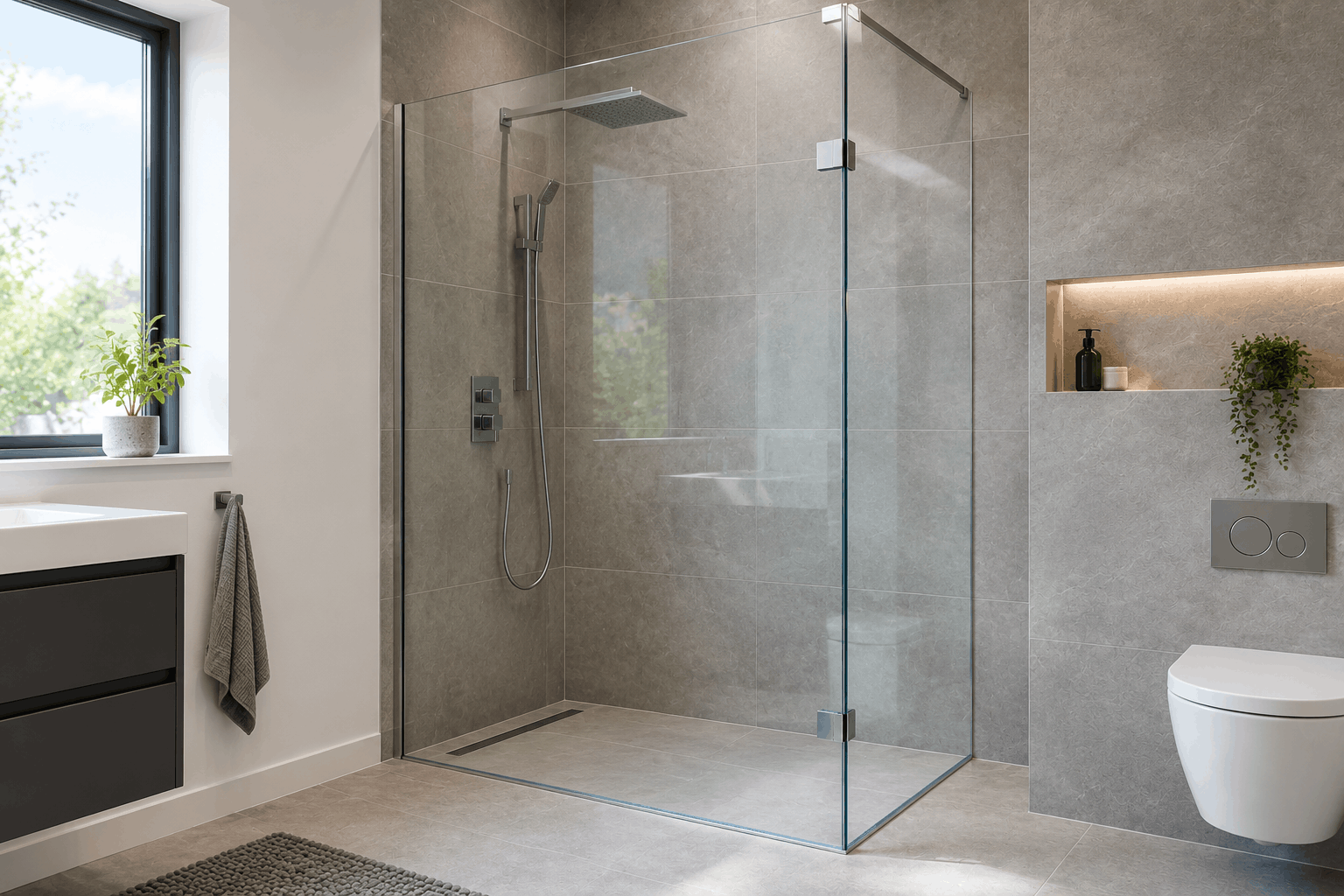
Choosing the right glass thickness is an important part of specifying a shower screen. The glass needs to be suitable for its dimensions, design, support and fixing system while also providing the appropriate safety performance. For installers and trade customers, this means there is no single thickness that should automatically be used for every shower […]
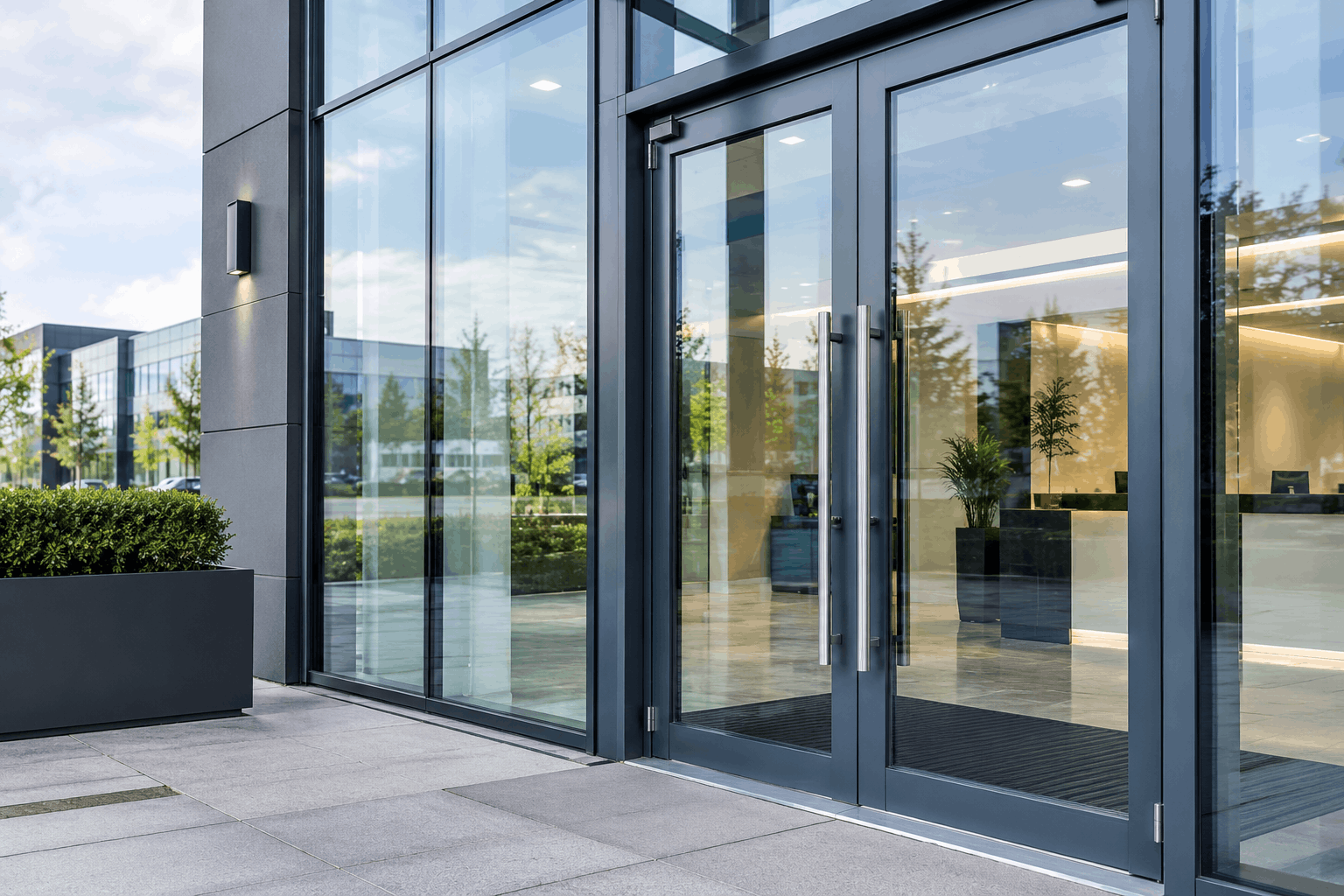
Glass plays an important role in modern commercial buildings, helping create bright entrances, offices and customer-facing spaces. Where additional protection is required, however, the glazing specification also needs to consider security. Security glass is designed to provide greater resistance and protection than standard glazing. The appropriate solution depends on the building, location of the glass […]
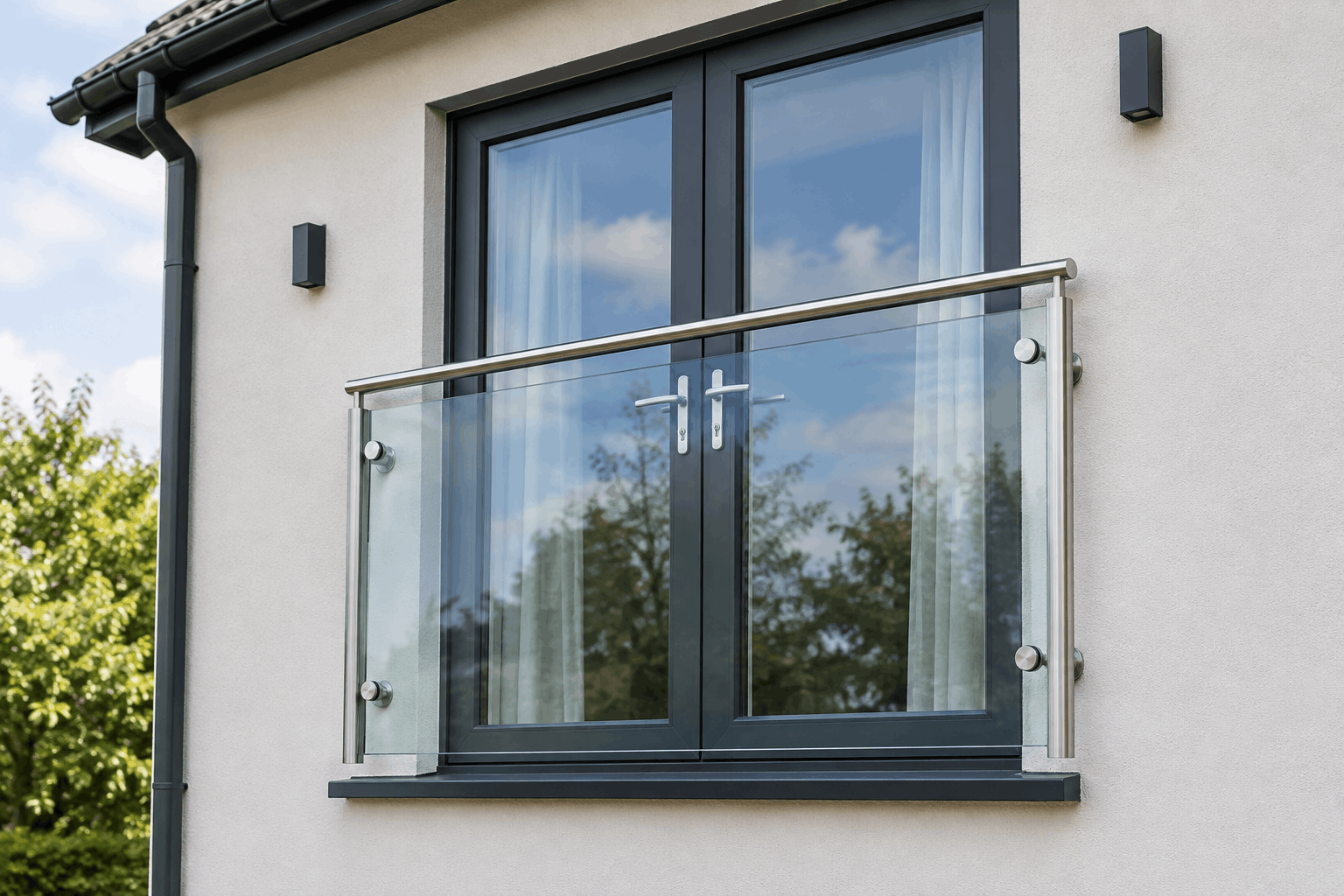
Juliet balconies provide a protective barrier across full-height windows, French doors and other openings at upper-floor level, allowing homeowners to open the doors while maintaining protection from falling. For installers and trade customers, the glass used for a Juliet balcony needs to do more than provide a clear, modern appearance. The glazing forms part of […]
Glass canopies can provide shelter above entrances, walkways and other external areas while maintaining a clean, open appearance. Because canopy glazing is installed overhead, choosing the correct glass is particularly important. Safety, strength, glass retention and the way the canopy is supported all need to be considered as part of the specification. For installers and […]

Front doors often need to balance two competing requirements. Homeowners want natural light to enter the property, but they may not want clear glass providing an unrestricted view into the home. Decorative glass can provide a practical solution by adding privacy and visual interest while still allowing light through the glazing. For installers and trade […]


 Order Tracker


 Customer
Login
Customer
Login