
If a double glazed window becomes damaged or is no longer performing as expected, replacing the entire window is not always necessary.
In many cases, the sealed glass unit can be replaced while the existing frame remains in place, provided the frame is still suitable. For installers and trade customers, this means the glazing can be replaced or upgraded without automatically requiring a complete new window.
This guide explains when replacing the glass may be possible, what a sealed unit is and what should be considered when choosing a replacement.
Yes, in many cases the sealed glass unit can be replaced without replacing the complete window frame.
Double glazed windows use a sealed unit fitted within the surrounding frame. If that frame remains in suitable condition, an installer may be able to remove the existing unit and fit a replacement.
The condition and compatibility of the existing window should always be checked first. If there are problems with the frame itself, replacing the glass alone may not resolve them.
A sealed unit, also known as an Insulated Glass Unit or IGU, consists of multiple panes of glass assembled into a single unit.
Glasscraft manufactures bespoke sealed units made to individual specifications for applications including windows, doors, roofs and side frames.
Different glass types, spacer bars, gas fills and coatings can be incorporated depending on the performance required. This allows the sealed unit to be matched more closely to the needs of the property and application.
There are several reasons why an existing sealed unit may need to be replaced.
These can include:
The reason for replacement can help determine which specification is most appropriate for the new unit.
Misting or condensation between the panes can be associated with a failure of the sealed unit.
Where the frame remains suitable, replacing the sealed unit may be an option without changing the complete window.
An installer should assess the window to establish the cause of the problem and whether the existing frame can accommodate an appropriate replacement unit.
Replacing an existing sealed unit can provide an opportunity to consider its thermal performance.
Glasscraft manufactures sealed units for different performance requirements, including options designed around thermal efficiency. Its Hytherm range is the foundation of the company’s sealed unit range and is designed with thermal performance, natural light and comfort in mind.
However, overall window performance is not determined by the glass alone. The existing frame and complete window construction also play an important role.
Depending on the existing window system, replacing a sealed unit may provide an opportunity to change the glazing specification.
Glasscraft manufactures bespoke IGUs using different glass types, spacer bars, gas fills and coatings. Its wider sealed unit range includes options developed for requirements such as thermal efficiency, noise reduction, solar control and enhanced protection.
The replacement specification needs to be compatible with the existing frame and appropriate for the application.
A replacement unit needs to be correctly specified for the window, but that does not necessarily mean every aspect of the original glazing has to remain unchanged.
Important considerations can include:
Any change in specification should be assessed to make sure it is suitable for the existing frame and intended application.
Replacing only the sealed unit will not solve problems caused by a damaged or unsuitable frame.
A complete window replacement may need to be considered if the frame has deteriorated, is damaged or no longer operates correctly.
The frame may also limit which replacement sealed unit specifications can be accommodated. This is why the existing window should be assessed before ordering new glass.
Replacement sealed units need to be manufactured to the correct dimensions.
Glasscraft produces bespoke IGUs made to specification, allowing installers to order units suited to individual projects.
Accurate dimensions are particularly important because the replacement unit needs to fit the existing system correctly. The required glass type, unit thickness and other specification details should also be established before manufacture.
The right replacement depends on both the existing window and what the customer wants from the new glazing.
Installers should consider:
Looking at the complete specification helps ensure the replacement is appropriate for the application.
Glasscraft manufactures bespoke sealed units for trade customers, with specifications available for a wide variety of glazing requirements.
Its range covers standard double glazing alongside specialist IGUs developed for requirements including thermal efficiency, noise reduction and solar control.
For installers replacing glass in an existing window, the priority is selecting a sealed unit that suits both the frame and the required performance. Where the existing frame remains suitable, replacing the sealed unit can provide a practical alternative to replacing the complete window.
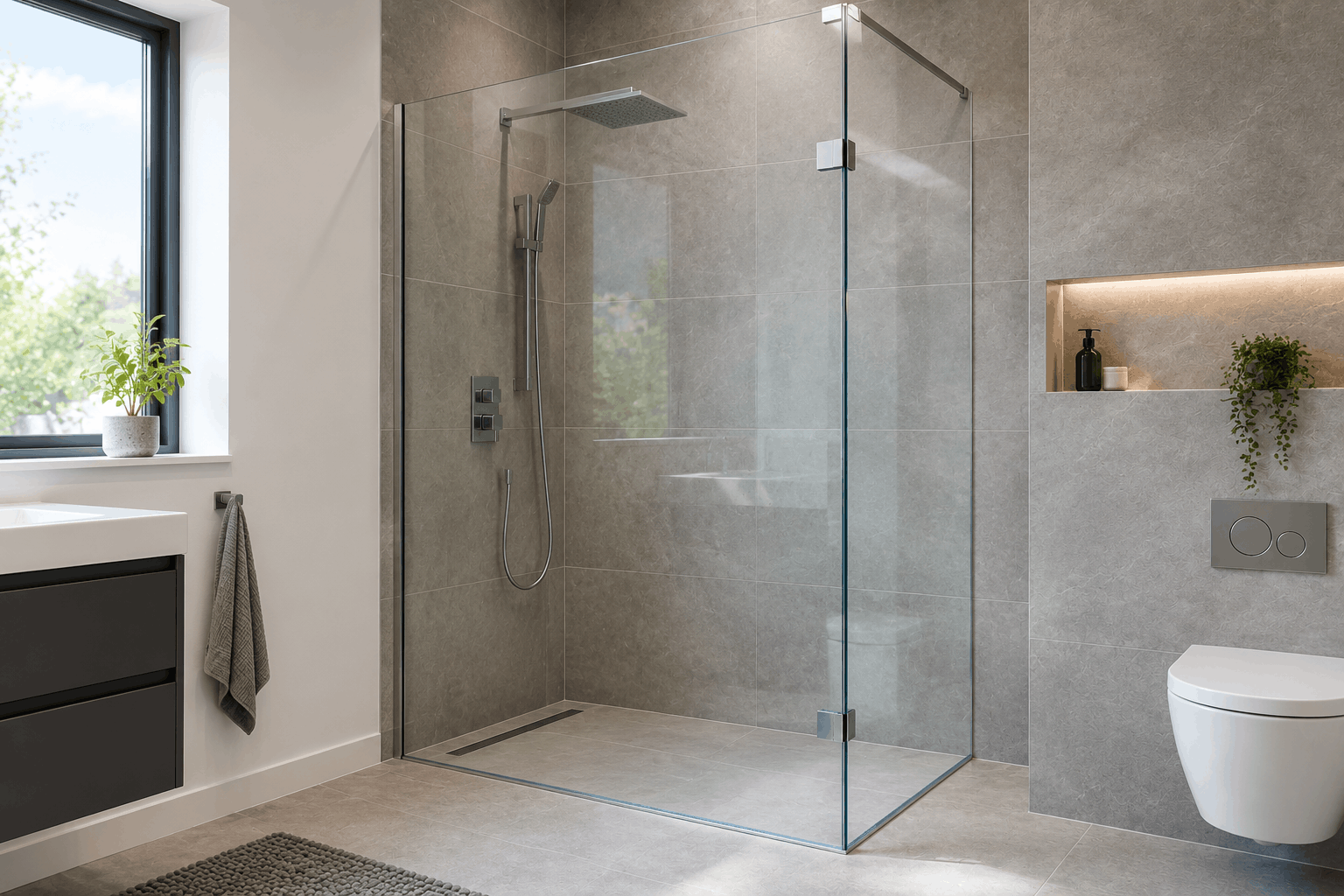
Choosing the right glass thickness is an important part of specifying a shower screen. The glass needs to be suitable for its dimensions, design, support and fixing system while also providing the appropriate safety performance. For installers and trade customers, this means there is no single thickness that should automatically be used for every shower […]
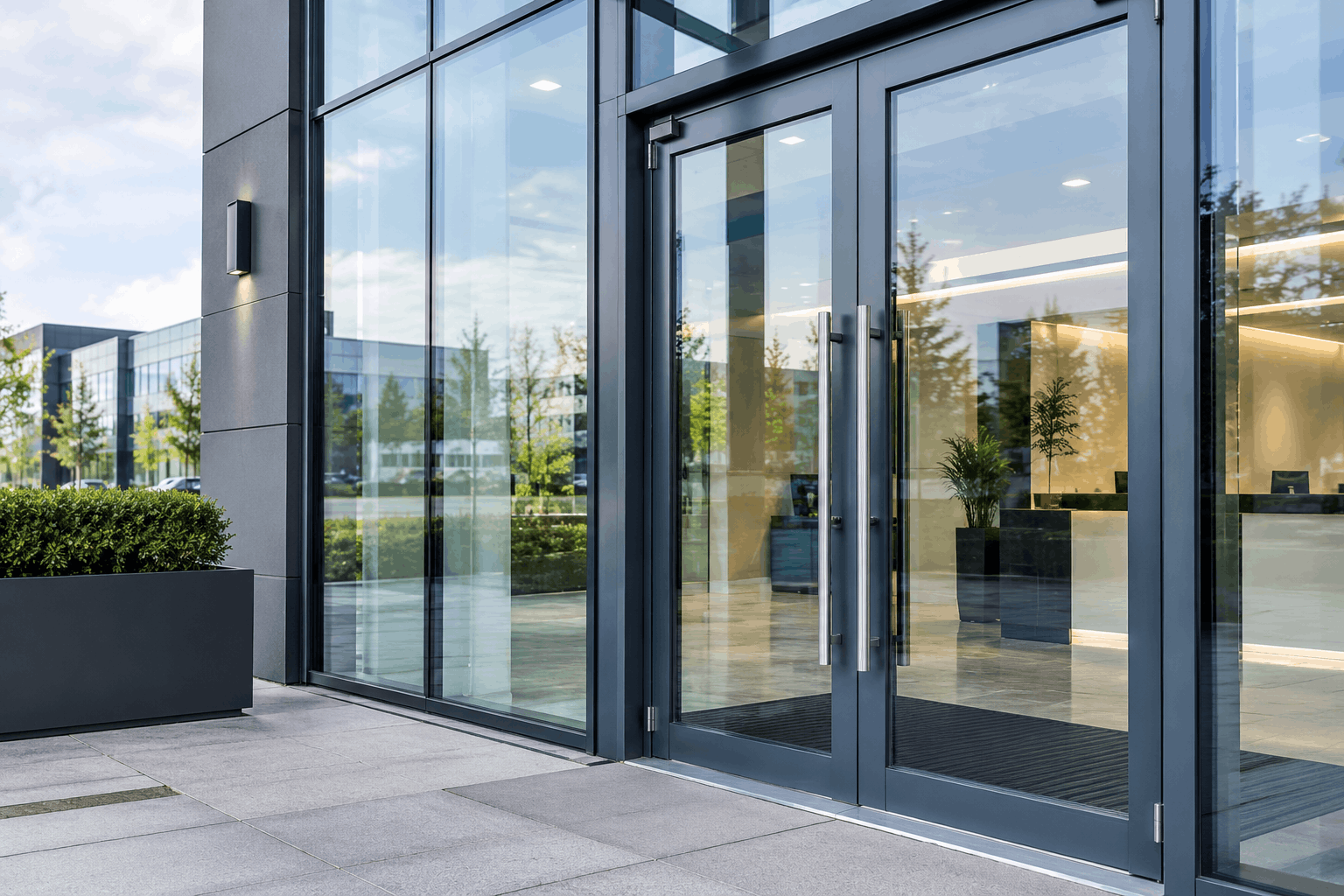
Glass plays an important role in modern commercial buildings, helping create bright entrances, offices and customer-facing spaces. Where additional protection is required, however, the glazing specification also needs to consider security. Security glass is designed to provide greater resistance and protection than standard glazing. The appropriate solution depends on the building, location of the glass […]
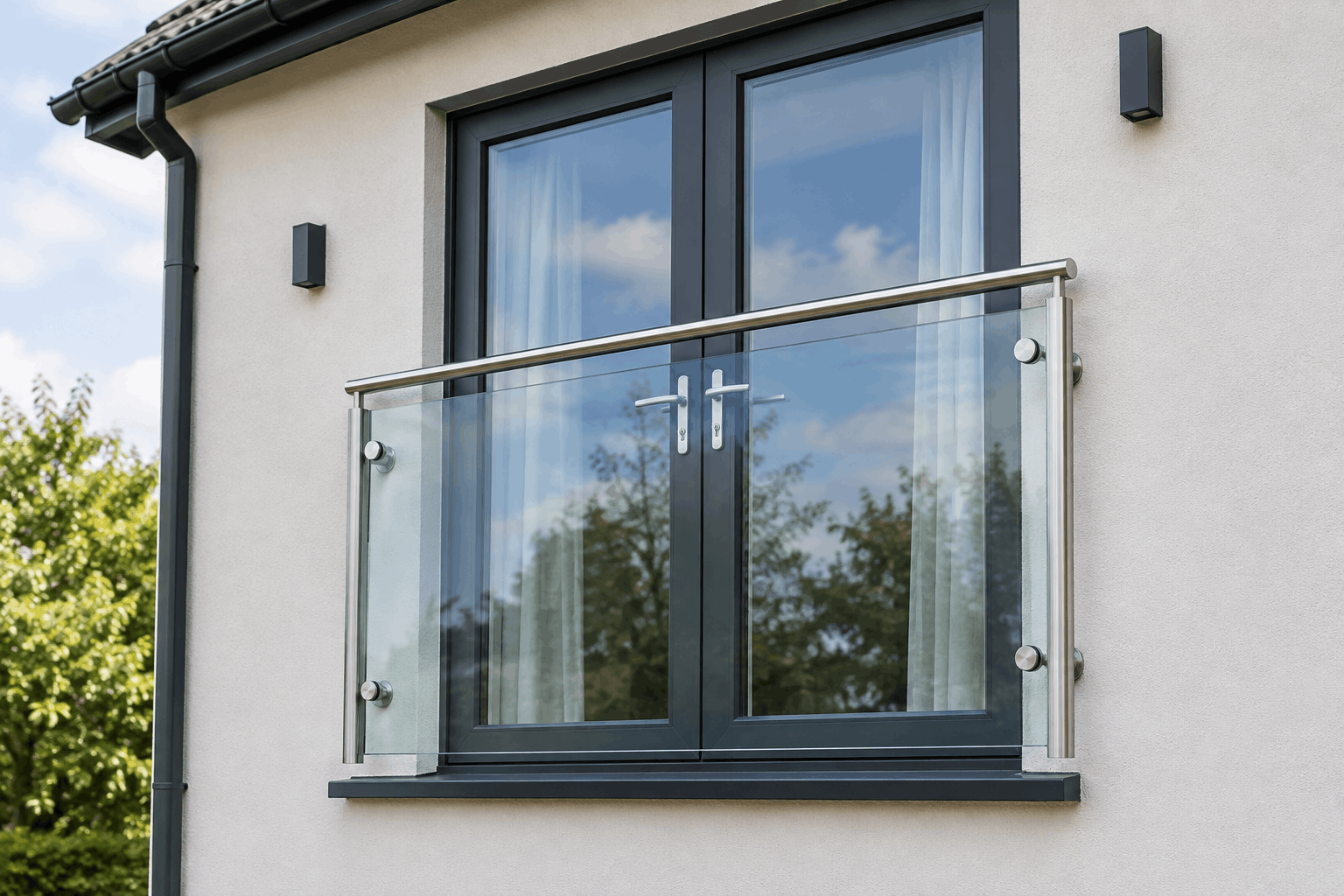
Juliet balconies provide a protective barrier across full-height windows, French doors and other openings at upper-floor level, allowing homeowners to open the doors while maintaining protection from falling. For installers and trade customers, the glass used for a Juliet balcony needs to do more than provide a clear, modern appearance. The glazing forms part of […]
Glass canopies can provide shelter above entrances, walkways and other external areas while maintaining a clean, open appearance. Because canopy glazing is installed overhead, choosing the correct glass is particularly important. Safety, strength, glass retention and the way the canopy is supported all need to be considered as part of the specification. For installers and […]

Front doors often need to balance two competing requirements. Homeowners want natural light to enter the property, but they may not want clear glass providing an unrestricted view into the home. Decorative glass can provide a practical solution by adding privacy and visual interest while still allowing light through the glazing. For installers and trade […]


 Order Tracker


 Customer
Login
Customer
Login