
Front doors often need to balance two competing requirements. Homeowners want natural light to enter the property, but they may not want clear glass providing an unrestricted view into the home.
Decorative glass can provide a practical solution by adding privacy and visual interest while still allowing light through the glazing.
For installers and trade customers, the right choice depends on the level of privacy required, the appearance of the door and the overall glass specification. This guide looks at the main decorative glass options for front doors and what to consider when choosing between them.
Glazing can help bring natural light into an entrance area, particularly where a hallway would otherwise receive limited daylight.
Clear glass, however, may not provide the level of privacy a homeowner wants for a front entrance.
Decorative glass changes the appearance of the glazing while allowing light to continue passing through it. Different patterns and finishes can provide varying levels of privacy, giving homeowners more control over the balance between light, visibility and design.
Glasscraft offers a range of decorative glass options for different styles and applications.
Obscure glass uses a textured or patterned surface to distort the view through the pane.
This makes it useful for areas where privacy is required but natural light is still important.
Glasscraft’s obscure glass is available in a wide selection of patterns, allowing the appearance and level of privacy to be matched to the project.
For front doors, this means homeowners can choose a design that complements the property while reducing visibility through the glazing.
Yes. One of the main benefits of obscure glass is its ability to provide privacy while still allowing natural light into the property.
The amount of light and visibility will depend on the pattern selected.
Some patterns create a more heavily obscured view, while others provide a lighter decorative effect. This gives installers and homeowners flexibility when choosing glass for entrance doors, side panels and other areas where both privacy and daylight are important.
The most suitable option depends on the required privacy level and the appearance of the finished door.
The level of privacy varies between obscure glass designs.
Glasscraft offers different patterns with varying privacy levels, making it possible to select glazing according to how much visibility needs to be restricted.
This is particularly useful for front doors because different properties have different requirements. A door facing directly onto a pavement may require greater privacy than an entrance positioned further away from neighbouring properties or public areas.
Considering the position of the door as well as the chosen pattern helps create the right balance.
Sandblasted glass has a frosted appearance created by treating the surface of the glass.
Glasscraft’s sandblasted glass can be used to create decorative effects while also providing privacy.
The finish gives the glass a clean, contemporary appearance and can be used for both straightforward frosted designs and more individual decorative requirements.
For entrance glazing, this provides an alternative to patterned obscure glass where a different visual finish is preferred.
Yes. Sandblasting can be used to create bespoke designs and decorative effects.
This allows the glazing to become part of the overall design of the entrance rather than serving only a practical purpose.
Depending on the project, sandblasted areas can be incorporated to create patterns or other decorative details.
For homeowners looking for something more individual than a standard patterned glass design, this flexibility can make sandblasted glass an attractive option.
Both obscure and sandblasted glass can provide privacy while allowing natural light into the property, but they create different appearances.
Obscure glass uses textured patterns to distort the view through the pane. With different designs and privacy levels available, it provides a wide range of options for traditional and contemporary doors.
Sandblasted glass creates a frosted surface and can be used for simpler finishes or bespoke decorative designs.
The best choice depends on the style of the property, the level of privacy required and the homeowner’s preferred appearance.
Yes. Decorative glazing is not limited to contemporary properties.
Patterned obscure glass can complement many different door styles, including more traditional entrances. The range of available designs allows the glazing to be selected with the character of the property in mind.
For more individual requirements, decorative techniques can also be used to create distinctive glazing designs.
The aim should be to choose glass that provides the required privacy and light while fitting naturally with the appearance of the door and property.
Decorative glass can also work well with modern entrance designs.
Frosted and sandblasted finishes can provide a clean appearance while reducing visibility through the glazing. Obscure patterns can also be selected to suit more contemporary door styles.
For modern properties with larger entrance glazing or glazed side panels, privacy can be particularly important.
Choosing an appropriate decorative finish allows homeowners to retain natural light without relying on completely clear glazing.
The same privacy considerations that apply to a front door can also apply to glazing beside it.
Side panels can introduce additional daylight into a hallway or entrance area, but clear glass may provide more visibility into the property than the homeowner wants.
Obscure or sandblasted glass can be used to provide greater privacy while maintaining the benefits of natural light.
Where the door and side panels are viewed together, using a coordinated glass design can also help create a consistent appearance across the entrance.
The safety requirements for door glazing depend on the location, dimensions and application of the glass.
Decorative appearance should therefore not be considered separately from the wider glazing specification.
Where safety glass is required, the decorative design needs to form part of a suitable glass specification for the installation.
Installers should consider the complete requirements of the door, including safety, dimensions, performance and compatibility with the glazing system.
Before choosing decorative glass, consider:
These factors can help narrow down the available options and ensure the glass works practically as well as visually.
Choosing privacy glass does not mean completely blocking daylight from the entrance.
Obscure and sandblasted glass provide ways to reduce visibility while still allowing natural light through the glazing. The exact balance depends on the pattern, finish and specification selected.
For homeowners, this means an entrance can feel brighter without sacrificing the level of privacy they want.
For installers, understanding those priorities makes it easier to recommend a decorative glass option suited to the individual project.
Glasscraft manufactures a range of decorative glazing options for domestic and commercial applications.
For front doors and entrance glazing, obscure glass provides a choice of patterns and privacy levels, while sandblasted glass offers a distinctive frosted finish with options for bespoke decorative designs.
For installers and trade customers, the right choice comes down to the individual project. By considering privacy, natural light, safety and appearance together, decorative glass can be specified to complement the entrance while meeting the practical requirements of the property.
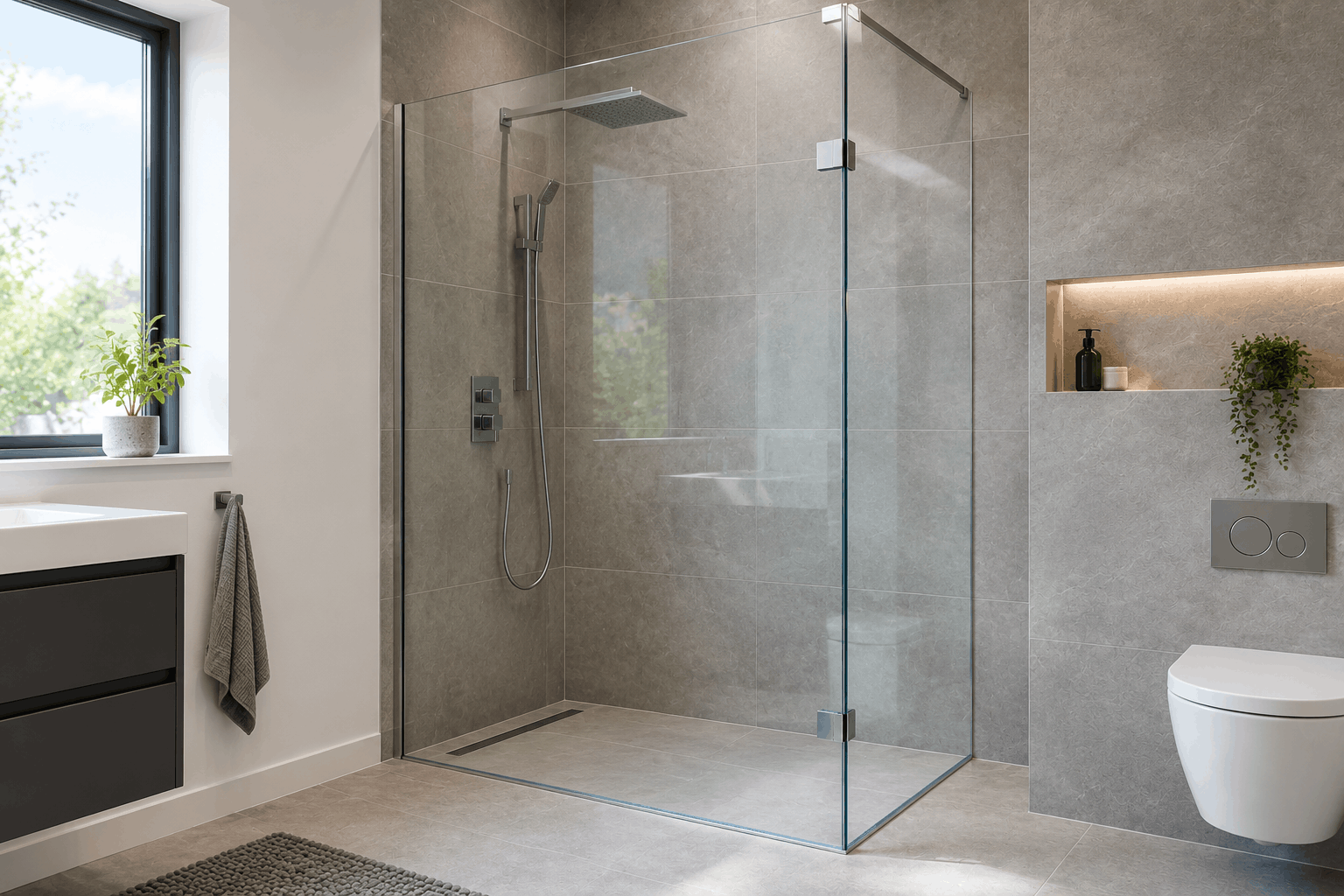
Choosing the right glass thickness is an important part of specifying a shower screen. The glass needs to be suitable for its dimensions, design, support and fixing system while also providing the appropriate safety performance. For installers and trade customers, this means there is no single thickness that should automatically be used for every shower […]
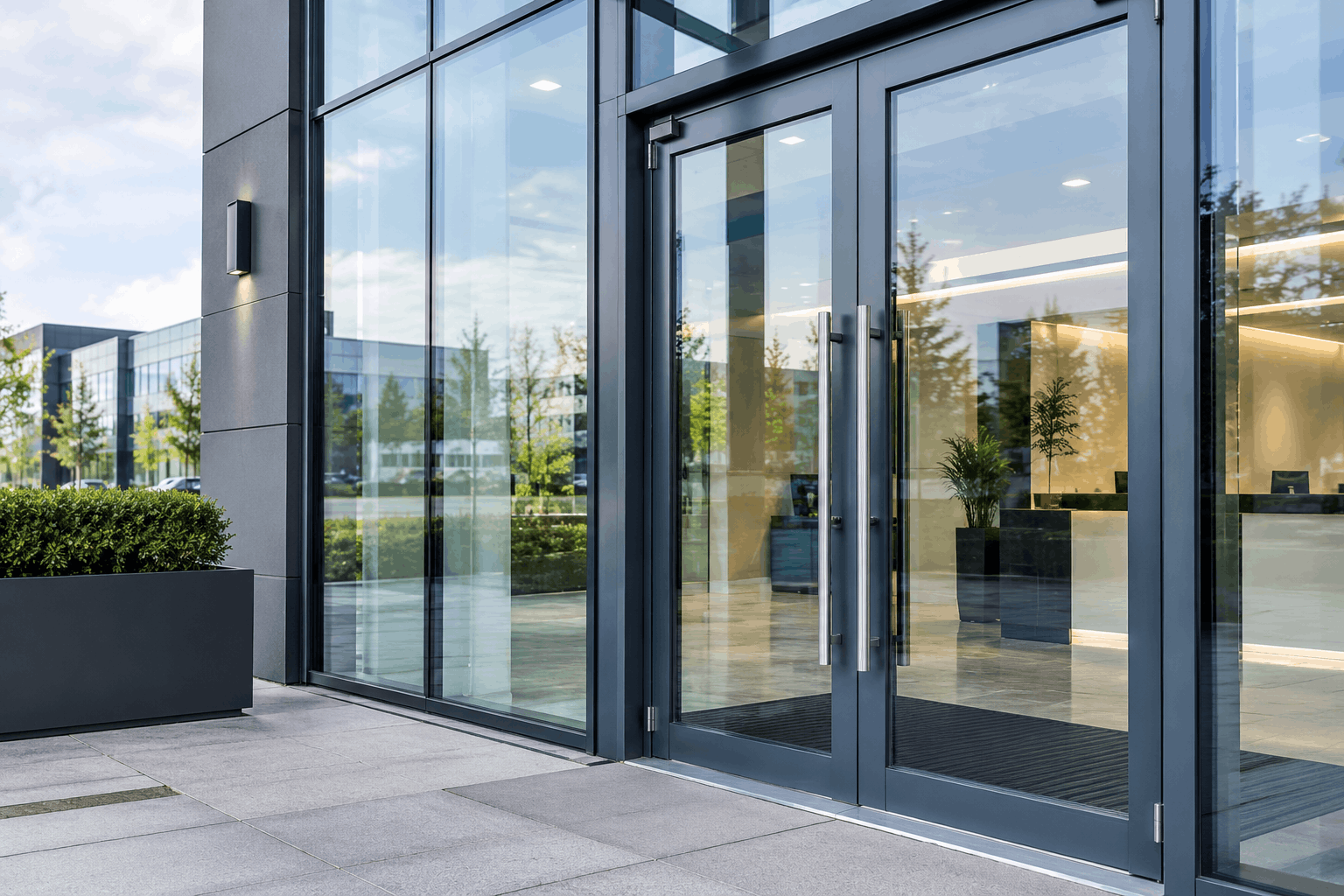
Glass plays an important role in modern commercial buildings, helping create bright entrances, offices and customer-facing spaces. Where additional protection is required, however, the glazing specification also needs to consider security. Security glass is designed to provide greater resistance and protection than standard glazing. The appropriate solution depends on the building, location of the glass […]
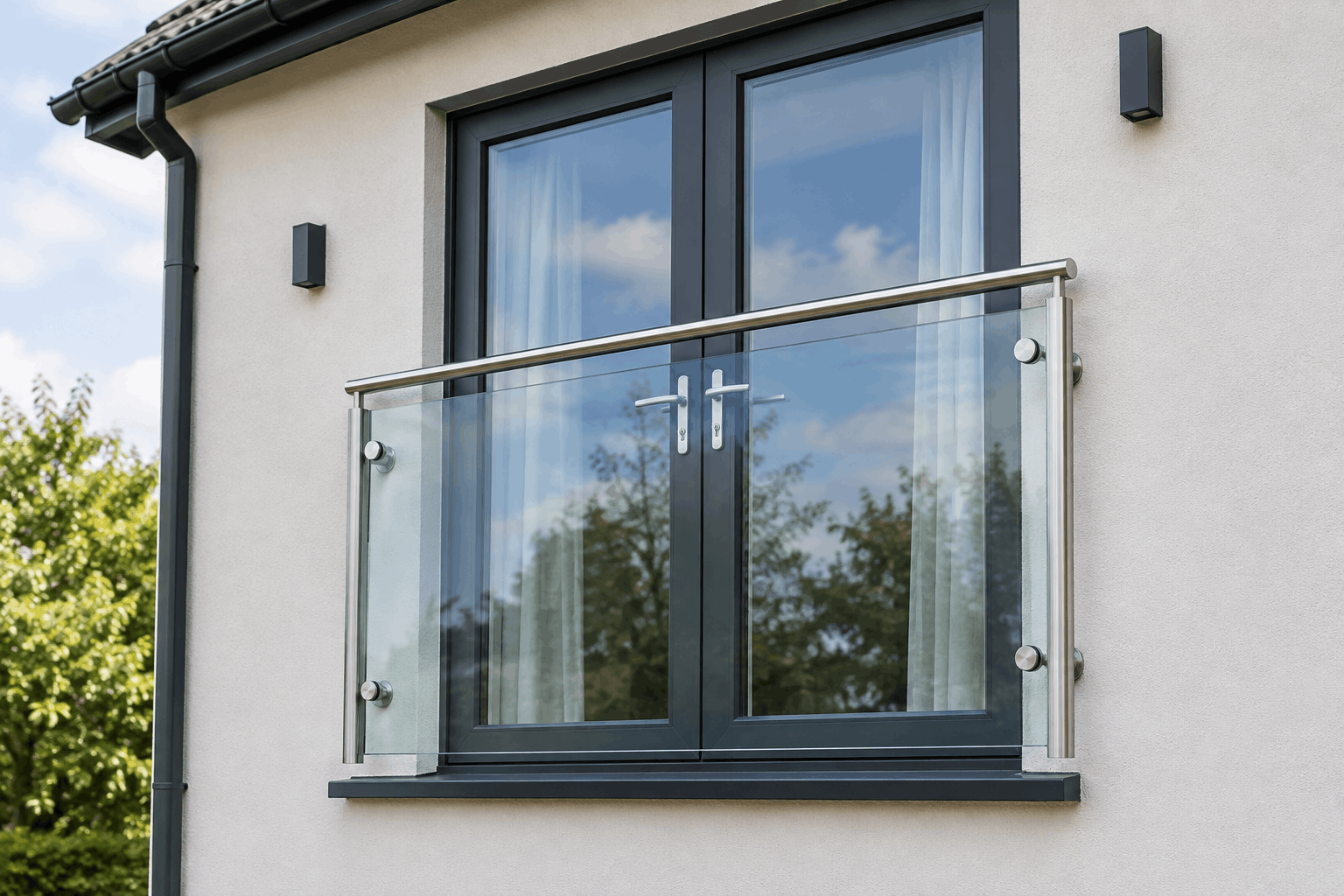
Juliet balconies provide a protective barrier across full-height windows, French doors and other openings at upper-floor level, allowing homeowners to open the doors while maintaining protection from falling. For installers and trade customers, the glass used for a Juliet balcony needs to do more than provide a clear, modern appearance. The glazing forms part of […]
Glass canopies can provide shelter above entrances, walkways and other external areas while maintaining a clean, open appearance. Because canopy glazing is installed overhead, choosing the correct glass is particularly important. Safety, strength, glass retention and the way the canopy is supported all need to be considered as part of the specification. For installers and […]

Glass partitions can help create bright, open office environments while still dividing areas into practical working spaces. For installers, contractors and trade customers, choosing glass for an internal office partition involves more than appearance. Safety, acoustic performance, privacy and the way the space will be used can all influence the specification. Different glass types provide […]


 Order Tracker


 Customer
Login
Customer
Login