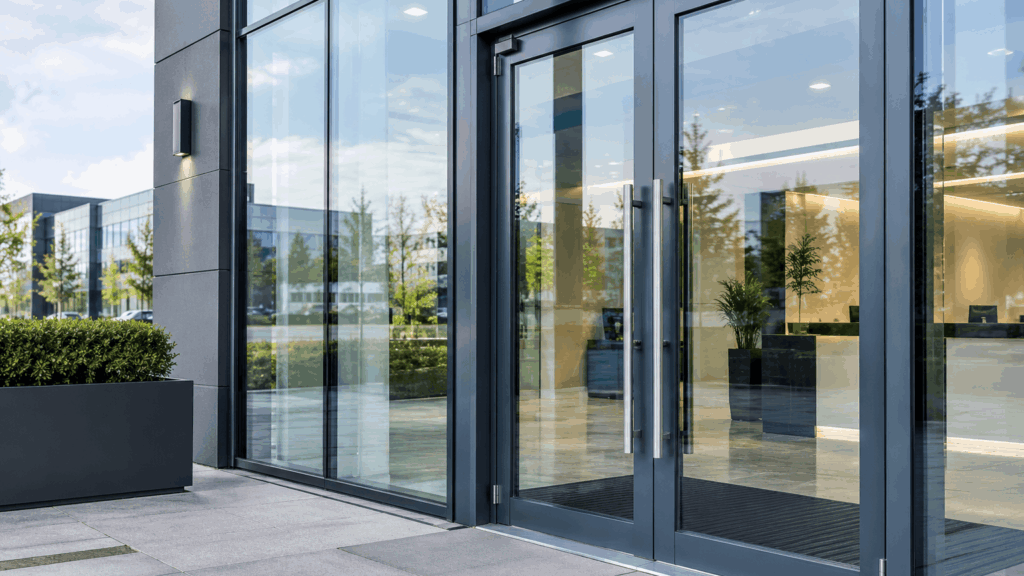
Glass plays an important role in modern commercial buildings, helping create bright entrances, offices and customer-facing spaces. Where additional protection is required, however, the glazing specification also needs to consider security.
Security glass is designed to provide greater resistance and protection than standard glazing. The appropriate solution depends on the building, location of the glass and level of performance required.
For installers, contractors and trade customers, this means looking beyond glass thickness alone. This guide explains what to consider when choosing security glass for commercial buildings and how different glazing specifications can combine security with thermal performance.
Security glass is glazing designed to provide enhanced protection where greater resistance to impact or attempted entry is required.
Different types and specifications can provide different levels of performance, so the term does not describe one universal glass construction.
Laminated glass is commonly used in security glazing because an interlayer bonds the glass together. If breakage occurs, the interlayer helps retain the fragments rather than allowing the pane to immediately separate into loose pieces.
The appropriate specification depends on the security requirements of the individual project.
Laminated glass consists of two or more layers of glass bonded using an interlayer.
Glasscraft uses PVB laminated glass within its security-focused glazing solutions. The interlayer helps keep the glass together following breakage, providing an additional barrier after an impact.
This gives laminated glass different post-breakage characteristics from standard monolithic glass.
The number and thickness of the glass layers and interlayers can vary according to the required specification, so installers should work from the performance requirements of the project rather than assuming all laminated glass provides the same level of protection.
Security glazing can be considered wherever a commercial project requires enhanced protection.
Potential applications can include:
The level of protection required will vary considerably between buildings.
A glazing specification should therefore be based on the particular risks, location and performance requirements identified for the project.
A thicker pane does not automatically provide a particular level of security.
Security performance can be influenced by the complete glass construction, including the number of panes, glass thicknesses and laminated interlayers.
The surrounding glazing system is also important.
This means two units with a similar overall thickness can have different constructions and provide different performance characteristics.
For installers and specifiers, the required level of protection should be established first so that an appropriate glazing build-up can then be selected.
Glasscraft’s Hytherm Security is a sealed unit designed to combine thermal performance with enhanced protection.
It builds on the Hytherm range by incorporating a laminated glass layer into the unit.
Glasscraft’s current Hytherm Security specification uses two 3mm Planiclear panes bonded with two 0.38mm PVB Standard interlayers on one side of the sealed unit. The other pane incorporates Planitherm Total+ FG.
Glasscraft lists a U-value of 1.2 W/m²K, a g-value of 0.65, light transmission of 78.6% and acoustic performance of 37dB for the current configuration.
This makes security one part of a broader glazing specification rather than the unit’s only performance consideration.
Adding security performance does not remove the need to consider energy efficiency.
External glazing forms part of the building envelope, so heat transfer through windows and glazed doors remains relevant when security glass is specified.
Hytherm Security is designed to combine a laminated security layer with the thermal performance of a sealed unit.
For commercial projects, this allows security and thermal requirements to be considered together rather than treating them as completely separate glazing decisions.
The appropriate thermal specification still depends on the wider requirements of the building.
Glasscraft’s Hytherm Security Extra is positioned as an advanced sealed unit combining enhanced thermal performance with laminated security glass.
It provides another option within the Hytherm range for projects where security needs to be considered alongside the thermal performance of the glazing.
The choice between different security-focused units should be based on the performance required from the project rather than the product name alone.
Installers and specifiers should check the current unit specification and ensure it meets the requirements of the application before ordering.
Both products are designed to combine security and thermal considerations within a sealed unit.
Hytherm Security incorporates laminated security glass while retaining the energy efficiency benefits associated with the Hytherm range.
Hytherm Security Extra is designed for projects requiring enhanced thermal performance alongside the added protection of laminated security glass.
The appropriate option therefore depends on the complete project specification.
Security, thermal performance, dimensions and compatibility with the surrounding glazing system should all be considered before selecting a unit.
Security glazing does not necessarily mean sacrificing natural daylight.
Glasscraft lists light transmission of 78.6% for its current Hytherm Security specification, helping maintain a bright appearance while incorporating laminated security glass.
This can be particularly relevant in commercial environments where glazing is used to create open entrances, offices or customer-facing areas.
Different glass constructions can affect light transmission, so the specific performance data for the chosen unit should always be considered when daylight is an important part of the project.
The construction of laminated security glazing can also influence acoustic performance.
Glasscraft lists acoustic performance of 37dB for its current Hytherm Security configuration.
However, security glass should not automatically be treated as specialist acoustic glazing. Where noise reduction is an important project requirement, the required acoustic performance should be established separately and an appropriate glass construction selected.
Looking at security, thermal, acoustic and other requirements together helps avoid specifying glazing around a single performance characteristic.
Yes. Security glass needs to be considered as part of the complete glazing system.
A high-performance glass construction cannot provide its intended level of protection if the surrounding frame, glazing method or other components are unsuitable for the application.
The glass therefore needs to be compatible with the window, door or framing system in which it will be installed.
For commercial projects, installers should work from the required system specification rather than considering the glass pane in isolation.
Before specifying security glass, consider:
Establishing these requirements first makes it easier to select glazing that provides the appropriate combination of protection and overall performance.
Commercial glazing often needs to perform several functions at the same time.
Security may be an important requirement, but thermal efficiency, natural light and acoustic performance can also affect the final specification.
This makes it important to consider how the glazing will perform as part of the complete building rather than selecting a product based solely on its security credentials.
For installers and specifiers, starting with clearly defined project requirements helps ensure the chosen glass construction is appropriate for its intended application.
Glasscraft’s Hytherm range includes security-focused sealed units designed to combine laminated security glass with thermal performance.
Hytherm Security provides enhanced protection through a laminated glass layer alongside the energy efficiency benefits of the Hytherm range, while Hytherm Security Extra provides an option where enhanced thermal performance is also required.
For commercial projects, the correct choice depends on the required security, thermal and wider glazing performance. Considering these requirements together helps ensure the sealed unit is matched to the building and application.
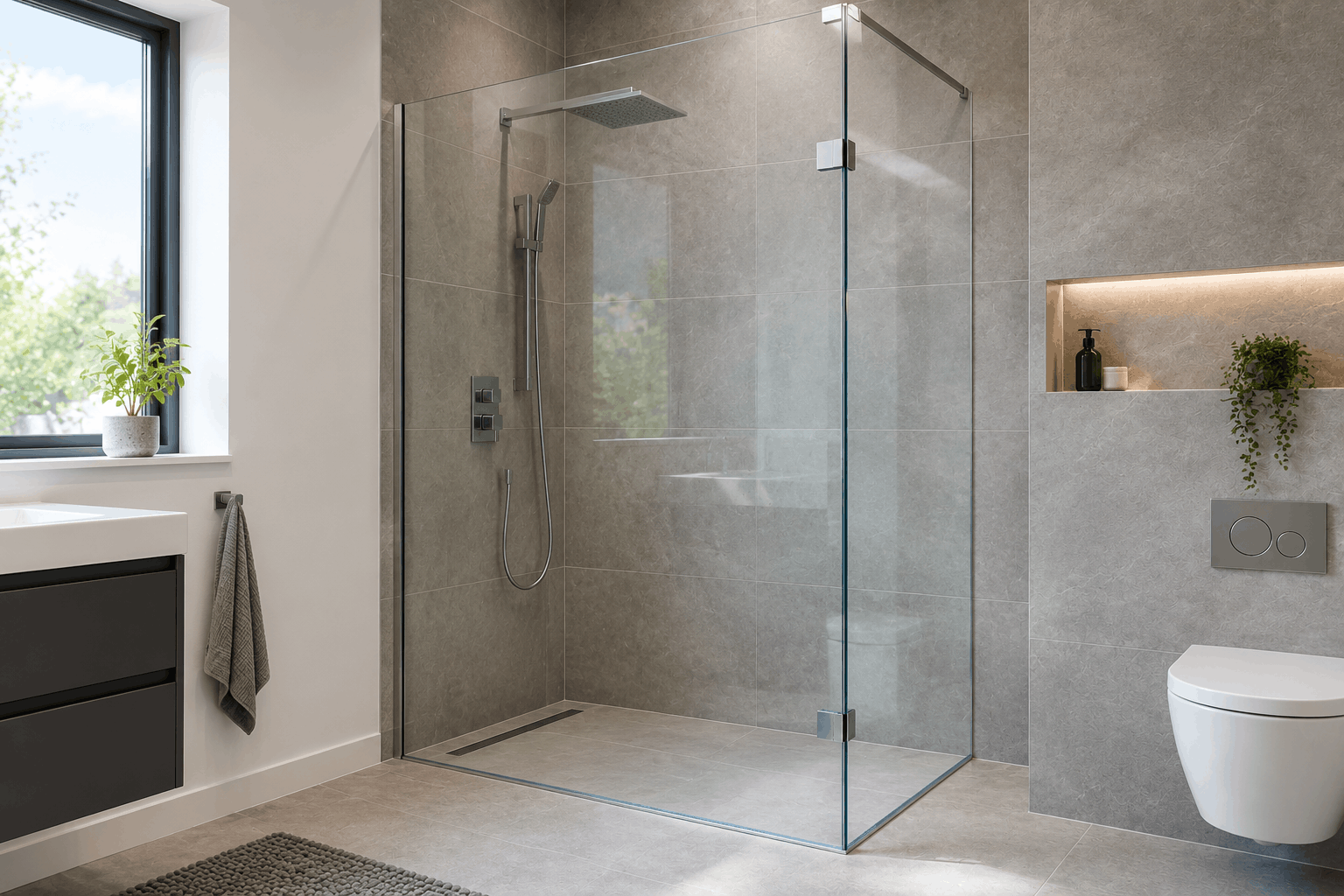
Choosing the right glass thickness is an important part of specifying a shower screen. The glass needs to be suitable for its dimensions, design, support and fixing system while also providing the appropriate safety performance. For installers and trade customers, this means there is no single thickness that should automatically be used for every shower […]
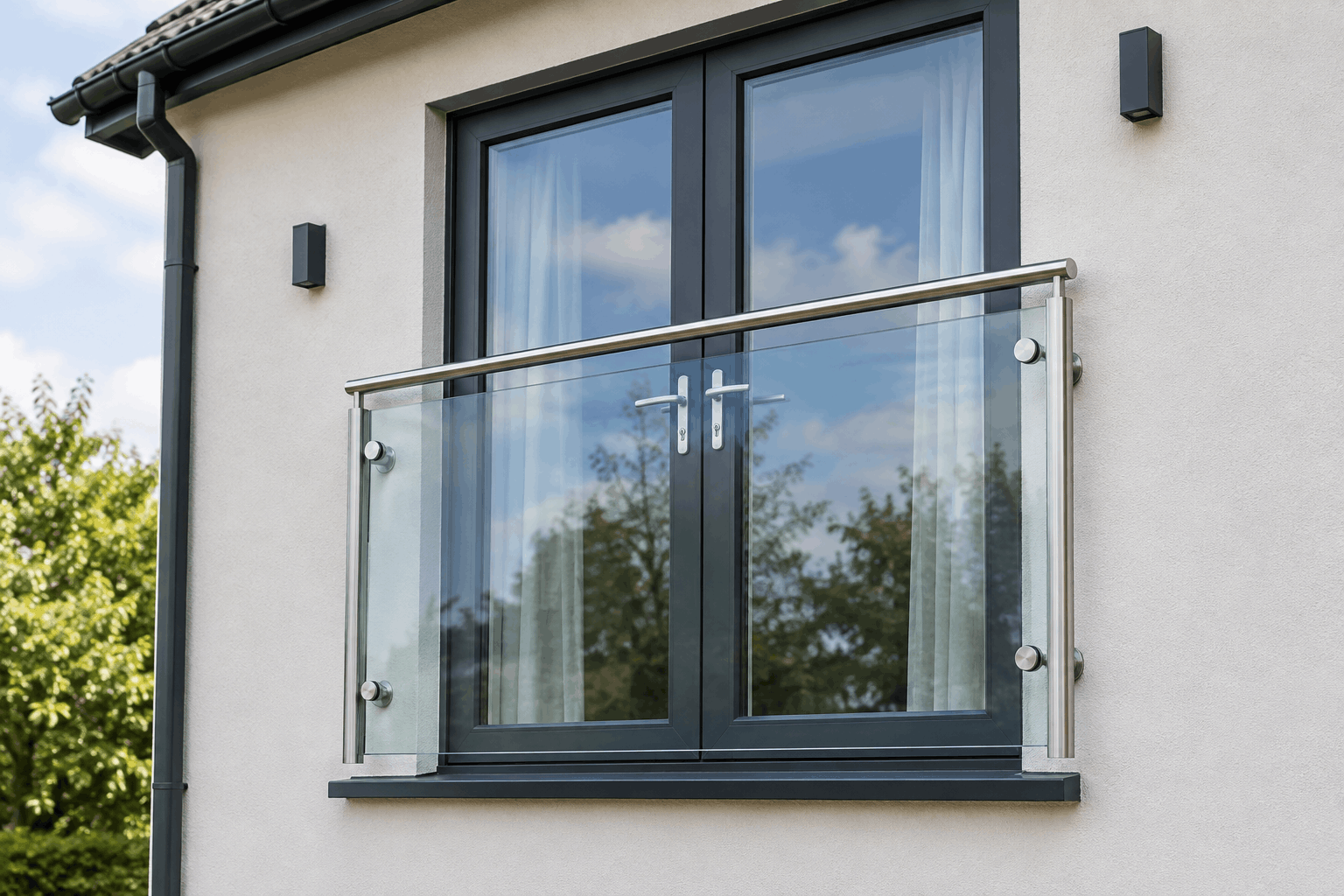
Juliet balconies provide a protective barrier across full-height windows, French doors and other openings at upper-floor level, allowing homeowners to open the doors while maintaining protection from falling. For installers and trade customers, the glass used for a Juliet balcony needs to do more than provide a clear, modern appearance. The glazing forms part of […]
Glass canopies can provide shelter above entrances, walkways and other external areas while maintaining a clean, open appearance. Because canopy glazing is installed overhead, choosing the correct glass is particularly important. Safety, strength, glass retention and the way the canopy is supported all need to be considered as part of the specification. For installers and […]

Front doors often need to balance two competing requirements. Homeowners want natural light to enter the property, but they may not want clear glass providing an unrestricted view into the home. Decorative glass can provide a practical solution by adding privacy and visual interest while still allowing light through the glazing. For installers and trade […]

Glass partitions can help create bright, open office environments while still dividing areas into practical working spaces. For installers, contractors and trade customers, choosing glass for an internal office partition involves more than appearance. Safety, acoustic performance, privacy and the way the space will be used can all influence the specification. Different glass types provide […]


 Order Tracker


 Customer
Login