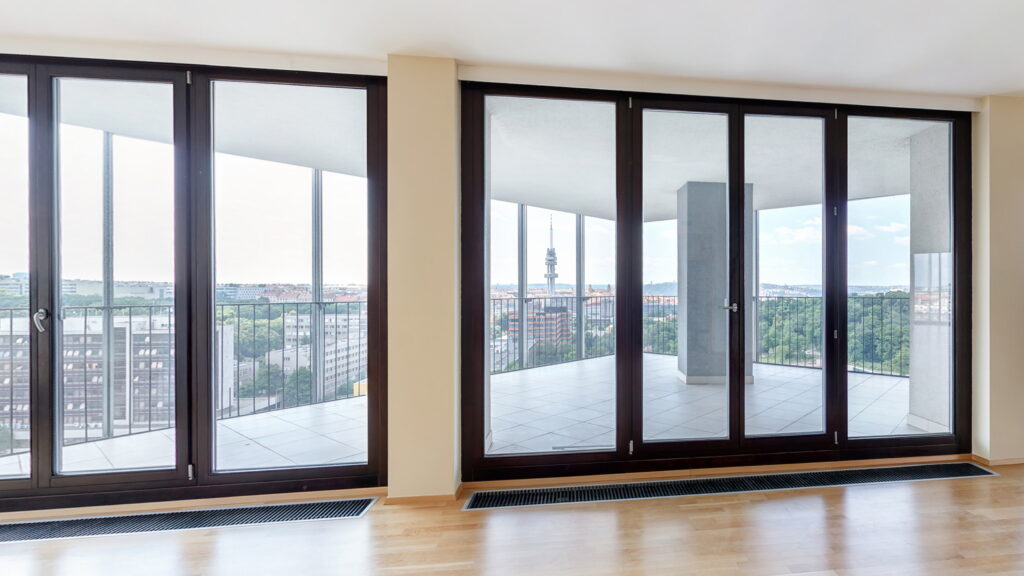
Bifold doors can introduce large areas of glazing into a home, helping create brighter spaces and a stronger connection between indoor and outdoor areas.
With larger glazed panels, however, choosing the right glass becomes particularly important. Safety is a key consideration, but homeowners may also want to manage solar heat, improve comfort or add further protection.
There is no single glass specification that is best for every bifold door installation. The right choice depends on the size and position of the doors, the performance required and the overall glazing specification.
This guide explains the main glass options to consider for bifold doors and how each can support different requirements.
Bifold doors typically contain a significant amount of glass.
This can help maximise natural light and create an open feel, but it also means the glazing has an important role to play in the overall performance of the doors.
Depending on the project, installers may need to consider:
Looking at these requirements together helps determine the most suitable glass for the application.
Toughened glass is an important option for doors and other areas where safety glass is required.
Glasscraft’s toughened glass undergoes a controlled heat treatment process that increases its strength compared with standard glass.
If toughened glass does break, it shatters into small, blunt pieces rather than large, sharp shards. This breakage characteristic helps reduce the risk of serious injury.
Glasscraft manufactures toughened glass in 4mm, 6mm, 8mm and 10mm thicknesses, with its toughened glass accredited to EN 12150.
Doors are regularly opened, closed and used in areas where people move around them, making safety an important part of the glazing specification.
The additional strength of toughened glass makes it suitable for demanding applications, while its breakage characteristics provide an important safety benefit.
Glasscraft identifies doors and internal screens as key applications for toughened glass.
The exact glass specification still needs to suit the bifold door system and project requirements.
Large areas of glazing can increase the amount of solar heat entering a room.
This can be particularly noticeable where bifold doors receive significant direct sunlight. Glasscraft’s solar glass is designed to reduce solar gain while still allowing natural light into the space.
Solar control glass can therefore be useful for bifold door installations where overheating is a concern.
The aim is to create a more comfortable indoor environment without unnecessarily compromising the bright, open appearance that large glazed doors can provide.
Solar control glass reduces the amount of heat from sunlight that passes through the glazing.
Glasscraft explains solar performance using the g-value. A lower g-value means a smaller proportion of solar energy passes through the glass.
This makes the g-value an important consideration when choosing glazing for areas exposed to strong sunlight.
Some solar control glass can also incorporate Low-E coatings, combining solar protection with improved insulation.
Solar control glass may be worth considering when bifold doors form a large part of an external wall or receive significant direct sunlight.
The requirements will vary depending on factors such as:
Considering the position of the bifold doors can help determine whether solar control should form part of the specification.
Laminated glass offers different safety characteristics to toughened glass.
Glasscraft’s laminate glass is manufactured by bonding two or more layers of glass with a PVB interlayer.
If the glass breaks, this interlayer helps hold the pieces together rather than allowing them to separate into loose shards.
This makes laminated glass an option where additional safety or security performance is required.
Laminated glass can provide additional protection because the interlayer helps keep the glazing together following an impact.
Glasscraft offers laminated glass in different configurations depending on the required performance, including products designed to provide enhanced security.
For bifold doors, this may be relevant where the homeowner wants the glazing specification to provide additional protection as well as safety.
The appropriate level of performance depends on the individual project.
Toughened and laminated glass provide safety in different ways.
Toughened glass is strengthened through heat treatment and breaks into small, blunt pieces if it fails.
Laminated glass uses an interlayer that helps retain the glass after breakage.
The best option therefore depends on what the project requires. In some applications, increased strength and safe breakage characteristics may be the priority. In others, retaining the glazing following impact may also be important.
Yes. A glazing specification can be designed to provide more than one performance benefit.
For example, Glasscraft offers solar control solutions that combine solar performance with other glazing technologies.
This means installers do not necessarily need to choose between managing solar gain and addressing other performance requirements.
The complete specification should be considered so that the glazing provides the right balance of safety, comfort, light and performance for the project.
One of the main reasons homeowners choose bifold doors is to bring more daylight into a room.
Glass selection can influence how much visible light passes through the glazing.
Solar control products are designed to manage solar heat while maintaining useful levels of natural light. However, different coatings and specifications offer different levels of light transmission and solar control.
The right balance depends on the property and the homeowner’s priorities.
There is no universal specification for every set of bifold doors.
Before choosing the glass, consider:
Considering the complete installation helps ensure the glass is matched to the project rather than selected based on one feature alone.
Glasscraft manufactures a wide range of processed and specialist glass products for domestic and commercial applications.
For bifold door projects, options include toughened glass for increased strength and safety, solar control glass for managing heat from sunlight and laminated glass where additional retention and security performance are required.
For installers and trade customers, the right choice depends on the requirements of the individual project. By considering safety, solar control, security and overall performance together, the glass specification can be matched more closely to the bifold door installation.
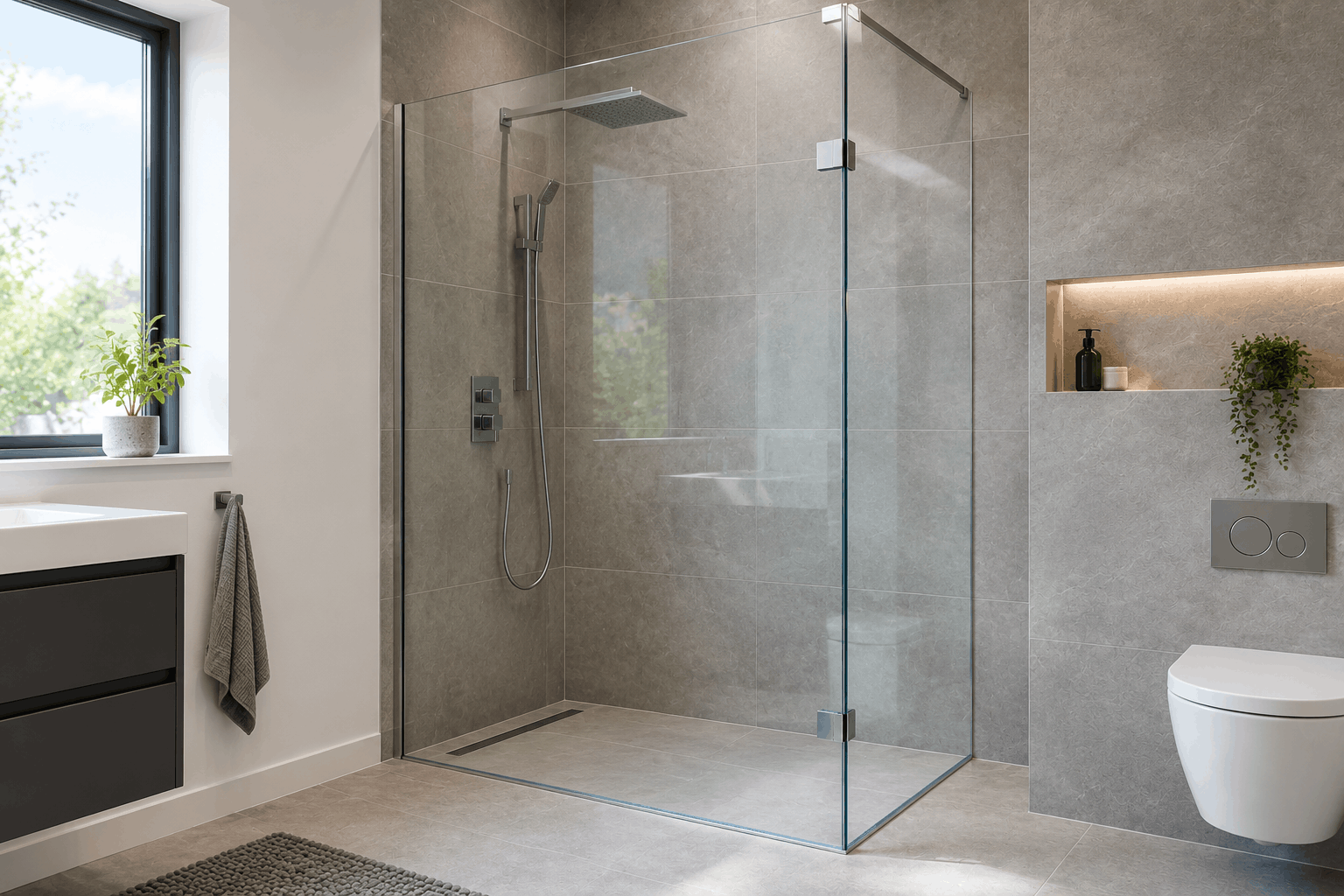
Choosing the right glass thickness is an important part of specifying a shower screen. The glass needs to be suitable for its dimensions, design, support and fixing system while also providing the appropriate safety performance. For installers and trade customers, this means there is no single thickness that should automatically be used for every shower […]
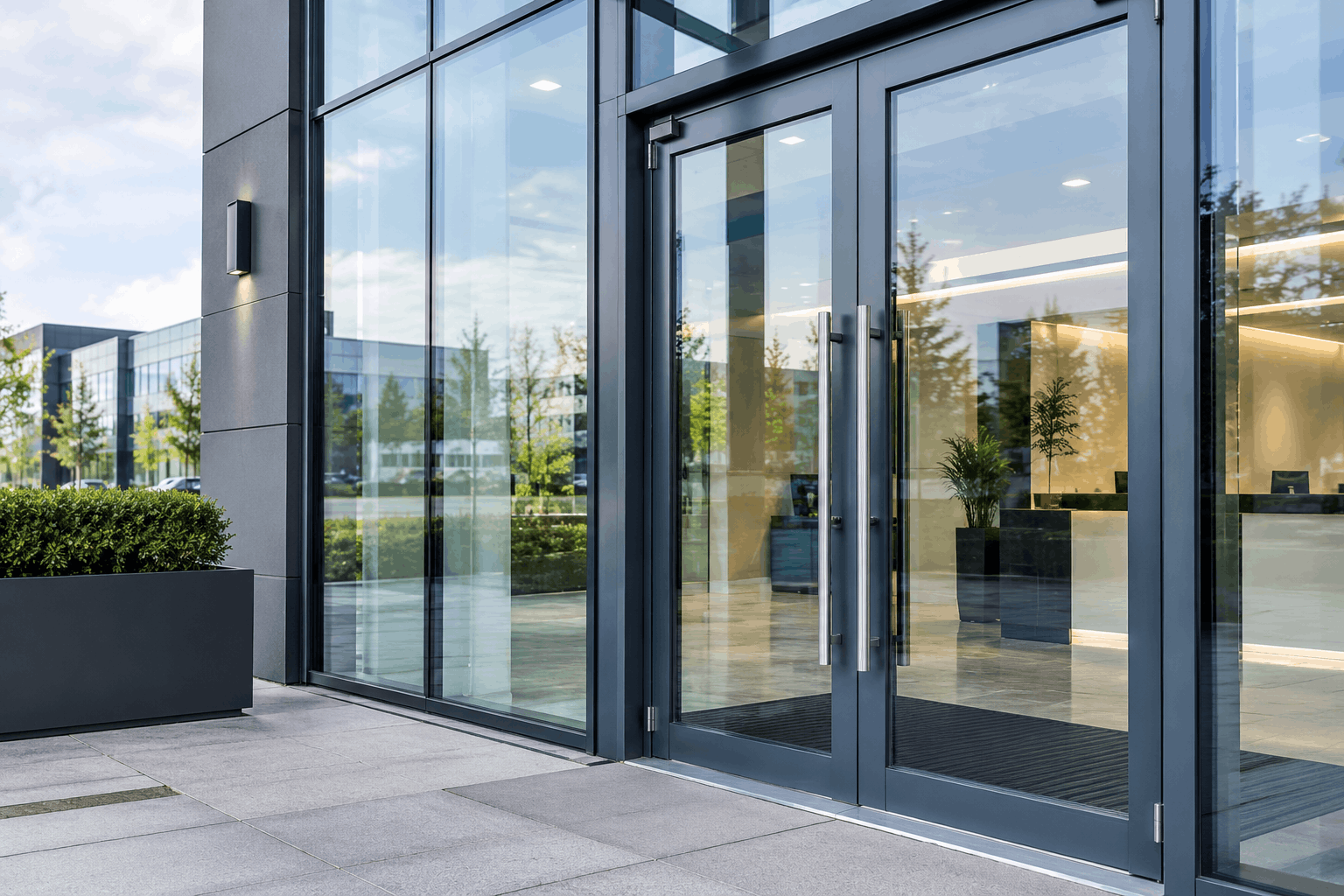
Glass plays an important role in modern commercial buildings, helping create bright entrances, offices and customer-facing spaces. Where additional protection is required, however, the glazing specification also needs to consider security. Security glass is designed to provide greater resistance and protection than standard glazing. The appropriate solution depends on the building, location of the glass […]
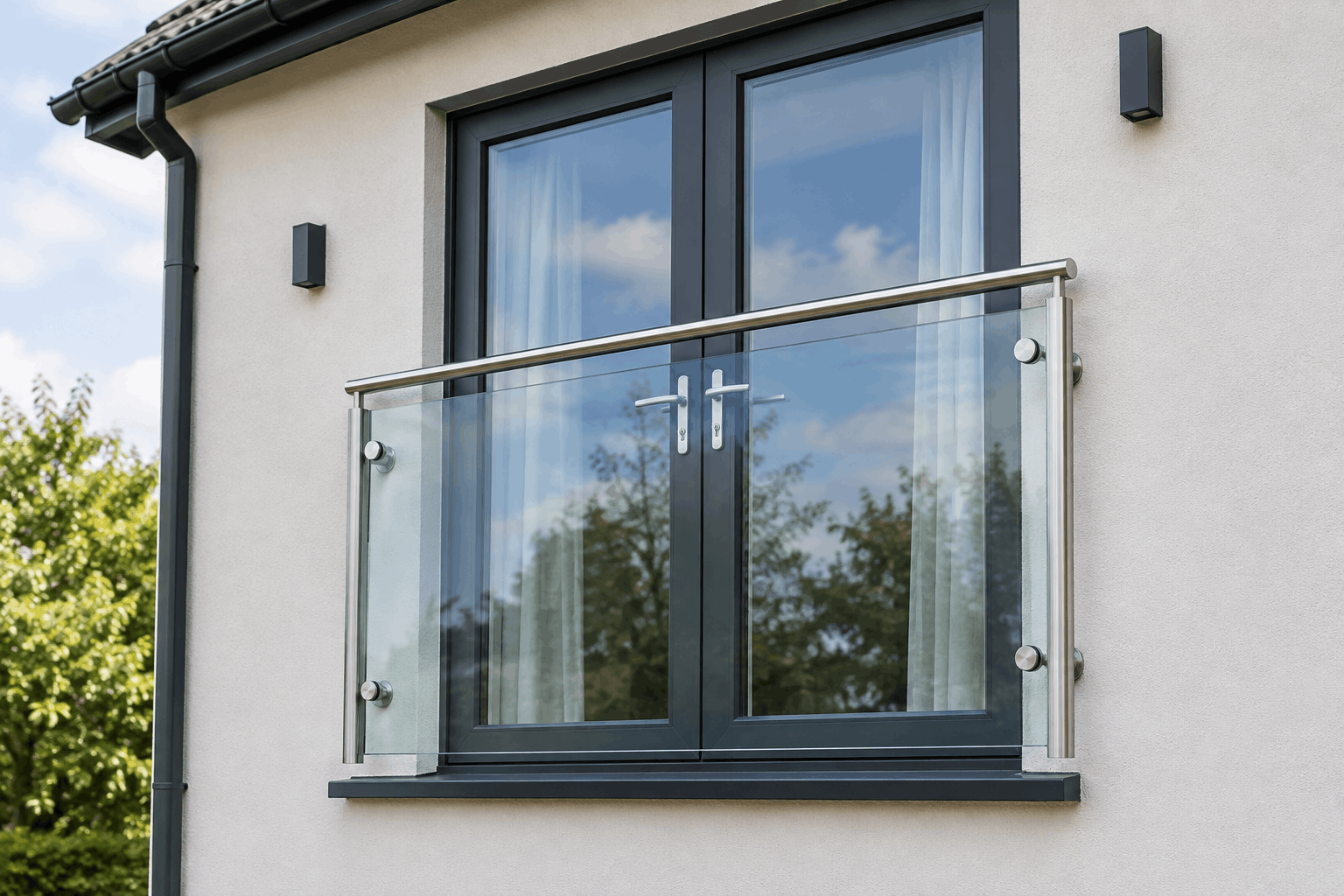
Juliet balconies provide a protective barrier across full-height windows, French doors and other openings at upper-floor level, allowing homeowners to open the doors while maintaining protection from falling. For installers and trade customers, the glass used for a Juliet balcony needs to do more than provide a clear, modern appearance. The glazing forms part of […]
Glass canopies can provide shelter above entrances, walkways and other external areas while maintaining a clean, open appearance. Because canopy glazing is installed overhead, choosing the correct glass is particularly important. Safety, strength, glass retention and the way the canopy is supported all need to be considered as part of the specification. For installers and […]

Front doors often need to balance two competing requirements. Homeowners want natural light to enter the property, but they may not want clear glass providing an unrestricted view into the home. Decorative glass can provide a practical solution by adding privacy and visual interest while still allowing light through the glazing. For installers and trade […]


 Order Tracker


 Customer
Login
Customer
Login